Chapters 3,9,10 Blog by Matthew Romero
Chapters 3, 9, 10 By Matthew Romero
- Chapter 3: Intercultural Communication:
Culture is the system of shared values, beliefs, attitudes, and norm that guides what is considered appropriate among an identifiable group of people. Because culture has such a profound impact on perception and communication, this chapter examines the relationship between culture and communication. It begins by explaining some basic concepts of culture and several ways cultures are unique. Furthermore, it also proposes how to improve intercultural communication competence. At the core of any culture are its values. Values are the commonly accepted standards of what is considered right or wrong, good and evil, and so on. Cultures have a different sets of values which are ideal and real values. Ideal Values are the ones that members profess to hold, whereas real values are the ones that guide actual behavior. Intercultural communication refers to the interactions that occur between people whose cultures are so different that communication between them is challenging. Understanding how cultures differ becomes critical when we interact with people whose cultural norms differ from ours, because it helps us empathize and adapt our communication patterns accordingly. Several ways to understand who cultures are similar and differ revolve around the ideas of: individualism and collectivism, context, masculinity and femininity, long and short term orientation, and indulgence.

- Chapter 9: Communicating in groups:

- Chapter 10: Group leadership and Problem Solving
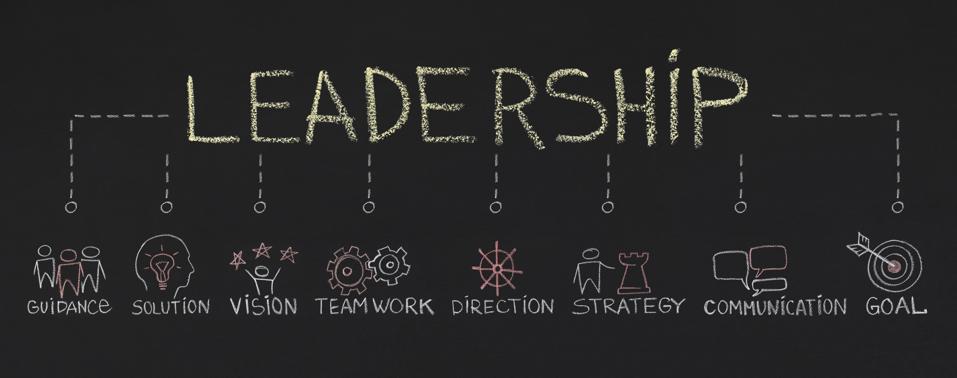
This chapter focuses on effective leadership and problem solving in groups. We begin by discussing what effective group leaderships means and the responsibilities of every group member in achieving it. Then it illustrates how shared leadership and effective communication plays out before, during, and after group meetings. From there, the chapter focus on specifically to problem solving and take you through a systematic problem-solving process before closing off with proposed methods for communicating results with others and evaluating group effectiveness. Leadership is the process “whereby an individual influences a group of individuals to achieve a common goal”. Whenever we would think of leadership, we automatically think of the person who is in charge. Even scholars once believed that some people were simply born to be great leaders. In modern times, however, we understand leadership as a set of communication functions performed by group members based on each one’s unique strengths and expertise. Although a group may have a formal leader, the person dedicated or elected to oversee the group, a series of informal emergent leaders, make for effective leadership in groups Furthermore, Shared leadership functions are the sets of roles various group members perform to facilitate the work of the group and help maintain harmony among the members. When these roles are performed effectively, the group functions smoothly.


Excellent!
ReplyDelete